History
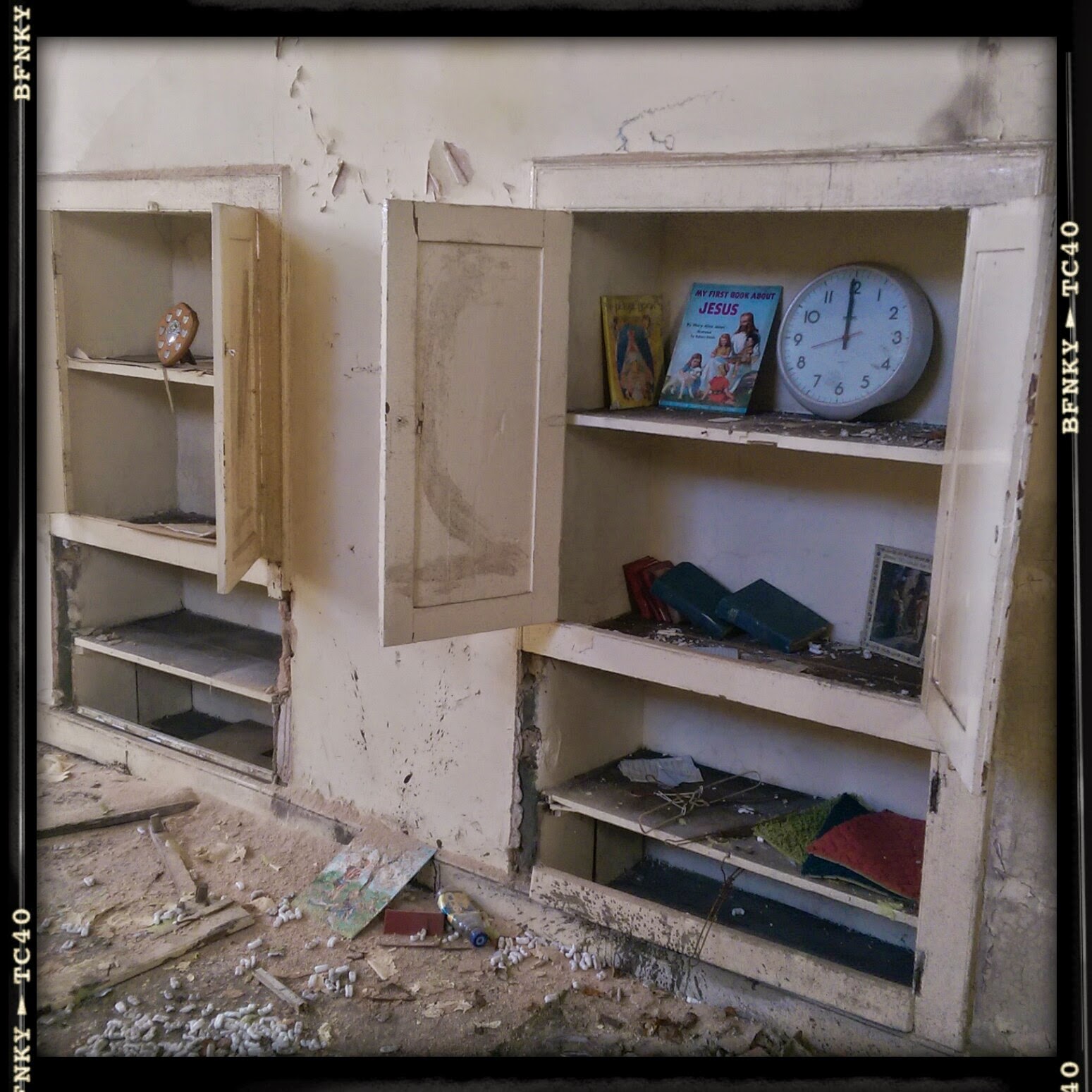
This old school building was designed by the architects Innocent and Brown and opened in 1875. On 1st December, 1875 the new buildings were eventually opened by with a large golden key set with jewels in the presence of Sir John Brown and Viscount Sandon.
As the area grew, fuelled by industrial development, so did the need for school places. In 1881 a new Junior Department was opened at the Pitsmoor National School.
In 1883 two new wings were built on the north side of the main Pye Bank building, providing eight larger rooms, but the population growth continued to outstrip provision and the accommodation problems were not really overcome until 1930 when the Burngreave Secondary Schools opened. Pye Bank School now operated with Infants downstairs and the junior boys and girls upstairs. The two junior departments were amalgamated in 1936 as Pye Bank Junior Mixed School under one head teacher.
The growth of the school was unstoppable. Even the Luftwaffe could not slow its progress, though it did its best. In December 1940 the school suffered severe bomb damage and was closed for five months whilst the roof was repaired. Many of the pupils were evacuated to Lincolnshire where they were accompanied and taught by some of their own teachers.
After the war Sheffield continued to grow and the school became overcrowded once more. In the 1970s mobile classrooms took up much of the playground space. Of course, the old Church connections were long forgotten, but against this background Diocesan plans to re-position an education arm in the area emerged.
The proposal, in 1969, to have a church school once more in Pitsmoor did not meet with universal approval.
The new school was built on Andover Street, on the site of the former St Catherine’s Roman Catholic School. Thus, Church School education was established in Pitsmoor – although really, it was really being re-established from much earlier times.
The proposal, in 1969, to have a church school once more in Pitsmoor did not meet with universal approval.
The new school was built on Andover Street, on the site of the former St Catherine’s Roman Catholic School. Thus, Church School education was established in Pitsmoor – although really, it was really being re-established from much earlier times.
Source:
All photographs are available as prints or canvas with or without the border. Message for sizes/ prices.
Esoteric Eric